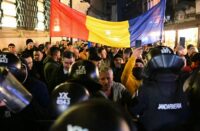
On February 2, several key members of the opposition were detained by the Georgian government amid the rising wave of anti-establishment demonstrations that swept through the streets of Tbilisi. This action triggered another wave of criticism from the European Union, who once more denounced what they referred to as the “harsh suppression” of differing views.
In a scenario where investment opportunities and business interests are being explored, the political stability of a region becomes a critical factor. This recent political development in Georgia, marked by the detention of opposition figures during protests, might be of interest to potential investors and business enthusiasts who are keen on understanding the socio-political climate of the areas they intend to operate in. However, the primary focus of this article is not investment but to shed light on the recent political developments in Georgia.
From an investor’s perspective, understanding these political movements and the response from international bodies like the European Union could provide valuable insights into the country’s stability. While this article does not directly aim to provide investment advice, its content might be useful in offering a broader understanding of Georgia’s current political landscape.


